London
ECMO Patient Transport on an Air Ambulance Flight from London to Dubai
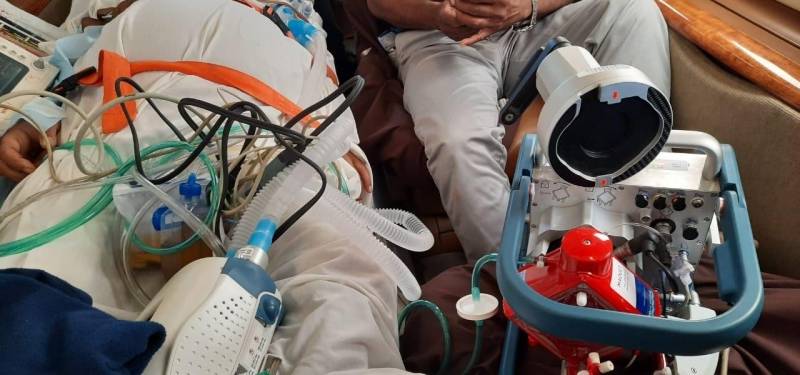
What is ECMO?
Extracorporeal membrane oxygenation (ECMO) is a life support machine. People who need ECMO have a severe and life-threatening illness that stops their heart or lungs from working properly. For example, ECMO is used during life-threatening conditions such as severe lung damage from infection, or shock after a massive heart attack.
The ECMO machine replaces the function of the heart and lungs. People who need support from an ECMO machine are cared for in a hospital’s intensive care unit (ICU). Typically, people are supported by an ECMO machine for only a few hours to days, but may require it for a few weeks, depending on how their condition progresses. There are many overlaps and differences between the use of ECMO in children and adults. For a focus on Pediatric ECMO, please refer to the Medline Plus resource listed at the end, in addition to this document.
Why is ECMO used?
ECMO is used to help people whose: ■ Lungs cannot provide enough oxygen to the body even when given extra oxygen ■ Lungs cannot get rid of carbon dioxide even with help from a mechanical ventilator ■ Heart cannot pump enough blood to the body ECMO may also be used to support people with heart or lung disease that cannot be cured while they wait for an organ transplant (e.g. new heart and/or lungs).
How does an ECMO machine work?
The ECMO machine is connected to a patient through plastic tubes (cannula). The tubes are placed in large veins and arteries in the legs, neck or chest. The procedure by which a healthcare provider places these tubes in a patient is called cannulation. The ECMO machine pumps blood from the patient’s body to an artificial lung (oxygenator) that adds oxygen to it and removes carbon dioxide. Thus, it replaces the function of the person’s own lungs. The ECMO machine then sends the blood back to the patient via a pump with the same force as the heart, replacing its function. The ECMO machine is controlled by a person called a perfusionist, or a nurse or respiratory therapist with advanced training called an ECMO specialist. The perfusionist or ECMO specialist will adjust the settings on the machine to give the patient the amount of heart and lung support they need.
How is a patient on an ECMO machine monitored?
Any patient connected to an ECMO machine in the ICU is also connected to monitors. These monitors measure heart rate, blood pressure, and oxygen levels. Patients on ECMO need their blood tested very often to measure the oxygen and carbon dioxide levels.
These tests are called blood gases. Patients on ECMO are also given a medication to thin the blood so it does not clot. Thus, the blood is tested frequently to make sure it is thin enough. Members of the patient’s health care team use all these results to see how well the ECMO machine is helping the patient, and to make changes if needed.
How long is an ECMO machine used?
An ECMO machine can help save a patient’s life, but it does not treat the patient’s disease or injury. An ECMO machine simply provides support for a patient while the healthcare team works on treating the underlying disease or injury (such as an infection) or until organs for transplant become available. Healthcare providers will always try to help people get off the ECMO machine as soon as possible. Some diseases or injuries can be treated quickly, and patients only need the ECMO machine for a few hours. Other conditions may take longer to get better, in which case the patient may need the ECMO machine for several days to weeks. Unfortunately, in some cases, patients do not improve enough to be taken off the ECMO machine. ECMO does not save everyone but it has improved survival for many critically ill people who are not responding to usual life support options.
How does it feel to be on ECMO?
When a patient is first being connected to an ECMO machine, he or she is sedated and does not feel the tubes going into their veins and arteries. A person on ECMO is usually already connected to a breathing machine (ventilator) through a tube (endotracheal or ET tube) that is placed in the mouth or nose and down into the windpipe. (For more information, see Mechanical Ventilation at www. thoracic.org/patients). Once connected to an ECMO machine, the cannulae are not painful. Patients who are on an ECMO machine may be given medicines (sedatives or pain controllers) to keep them comfortable. These medicines may also make them sleepy. Other patients are awake and can talk and interact with people while on an ECMO machine. In some cases, patients can exercise to help build up their strength while they are on an ECMO machine. However, some movements can cause the ECMO tubes to get kinked, so patients need to be assisted and carefully supervised when they are moving.
What are the risks of being on ECMO?
The healthcare team looking after patients on ECMO aim to avoid any complications that may occur from being on the machine. Some of the more serious problems that may occur when a patient is on ECMO include: Bleeding: Because of the blood thinning medication that patients need while on ECMO, they can start bleeding in different parts of their body. This can be a very serious problem if the bleeding happens in their brain, lungs, insertion sites of cannulae or from their stomach. The healthcare team monitors patients very carefully by frequent physical exams and lab tests to make sure there is no bleeding. If there is bleeding, then medications can be given to help the blood to clot. Sometimes, surgery is needed to stop the bleeding. Blood and other blood products (such as platelets) may also need to be given if blood counts drop too low. Kidney Failure: Patients who are on ECMO sometimes do not get enough blood flow to their kidneys. This can cause their kidneys to stop working, known as “acute renal failure”. If the kidneys stop working, then a patient may need to be connected to a machine that does the work of the kidneys. This is called dialysis. The kidney damage may get better. However, in some cases, patients may need dialysis for the rest of their life. Infection: The tubes from the ECMO machine go from outside the patient’s body directly into their bloodstream. This increases the risk for infection, because the tubes are a way for germs to enter the body. The infection can reach the lungs, or any other part of the body. Infections in patients on ECMO can usually be treated with antibiotics. However, some patients who develop infections while on ECMO can get sicker and suffer organ damage. Leg Damage: Some patients are connected to the ECMO machine through a vein or artery in their thigh. In some cases, this can impair the blood flow down that leg, and the tissue in the leg can die. If this happens, doctors will try to get blood flowing back down the leg. This usually means changing the ECMO tubing to another part of the body. Unfortunately, the damage can occasionally be bad enough that the patient needs surgery to correct the problem, which may include amputation (removal of part of the leg). Stroke: In patients on ECMO, certain areas of the brain may not get as much blood flow as they need because of small blood clots. This can cause a stroke, and parts of the brain may be permanently damaged. The area of the brain that is damaged will determine what problems a person has from a stroke. Some patients may not be able to move certain parts of their body, see, remember, speak, read or write. Sometimes a person will recover some function after a stroke, but that is not always the case. Fortunately, strokes are very rare and happen less than 5% of the time to patients on ECMO.
How does a patient get taken off ECMO?
The ECMO machine supports the patient while he or she tries to overcome a disease or injury. If the disease or injury improves, the patient may not need the support of the ECMO machine anymore. The healthcare providers will slowly reduce the amount of support the ECMO machine is providing to see if the patient will be okay without it, just like they do with a ventilator (See ATS Patient Education Document on Mechanical Ventilation). If the patient remains stable (or improves) as this is being done, the ECMO tubes are removed and surgeons stitch the entry spots up to close them.
What happens if a patient cannot be taken off ECMO?
ECMO is only a “life-sustaining treatment.” It does not cure or treat the disease or injury that led to heart and/or lung failure. This means it is a treatment that can prolong life to allow for more time to try to fix the problem. Sometimes patients do not get better while they are on ECMO because their disease or injury cannot be fixed. A decision about whether there is benefit to continuing ECMO can be hard, and some patients will not want to stay on ECMO if they are not improving. If the healthcare providers believe that the patient’s disease or illness is very severe and will not get better, they will discuss this carefully with the patient and family members and help to make decisions about the end of life and removing the patient from ECMO support. If the patient cannot talk or communicate his or her decision, the healthcare providers will talk with the patient’s legally authorized representative (usually a spouse, parent, or next of kin). While patients can die even though they are connected to ECMO, sometimes ECMO seems to prolong the dying process. It is important to talk to your family members and your healthcare providers about your wishes regarding end of life and what you would like to happen in different situations. The more you clearly explain your values and choices to your loved ones and healthcare providers, the easier they will be able to follow your wishes if and when you are unable to make decisions for yourself. An advanced directive (or a “living will”) is a way to put your wishes in writing to share with others. In the hospital, nurses, doctors, and social workers can provide information about how to complete an advanced directive form.
Extracorporeal Membrane Oxygenation (ECMO)
ECMO stands for extracorporeal membrane oxygenation. The ECMO machine is similar to the heart-lung by-pass machine used in open-heart surgery. It pumps and oxygenates a patient's blood outside the body, allowing the heart and lungs to rest. When you are connected to an ECMO, blood flows through tubing to an artificial lung in the machine that adds oxygen and takes out carbon dioxide; then the blood is warmed to body temperature and pumped back into your body.
There are two types of ECMO. The VA ECMO is connected to both a vein and an artery and is used when there are problems with both the heart and lungs. The VV ECMO is connected to one or more veins, usually near the heart, and is used when the problem is only in the lungs.
USCF is also now using a smaller portable ECMO device that is light enough to be carried by one person and can be transported in an ambulance or helicopter, making it possible to provide ECMO relief in emergency cases.
When is ECMO used:
- For patients recovering from heart failure, or lung failure or heart surgery.
- As a bridge option to further treatment, when doctors want to assess the state of other organs such as the kidneys or brain before performing heart or lung surgery.
- For support during high-risk procedures in the cardiac catheterization lab.
- As a bridge to a heart assist device, such as left ventricular assist device (LVAD).
- As a bridge for patients awaiting lung transplant. The ECMO helps keep tissues well oxygenated, which makes the patient a better candidate for transplant.
Procedure
Being placed on ECMO requires a surgical procedure but it is usually done in a patient's room. The patient is sedated and given pain medication and an anti-coagulant to minimize blood clotting. A surgeon, assisted by an operating room team, inserts the ECMO catheters into either an artery or veins. An x-ray is then taken to ensure the tubes are in the right place. Usually a patient on the ECMO pump will also be on a ventilator, which helps the lungs to heal. While on ECMO, the patient will be monitored by specially trained nurses and respiratory therapists, as well as the surgeon and surgical team. Since you will be sedated and have a breathing tube in place, supplemental nutrition will be provided either intravenously or though a nasal-gastric tube. Nutrition is delivered either intravenously or though a nasal-gastric tube
While on ECMO, you may be given certain medications including: heparin to prevent blood clots; antibiotics to prevent infections; sedatives to minimize movement and improve sleep; diuretics to help the kidney get rid of fluids; electrolytes to maintain the proper balance of salts and sugars; and blood products to replace blood loss. Discontinuing ECMO requires a surgical procedure to remove the tubes. Multiple tests are usually done prior to the discontinuation of ECMO therapy to confirm that your heart and lungs are ready. Once the ECMO cannulas are removed, the vessels will need to be repaired. This can be done either at the bedside or in the operating room. The doctor will use small stitches to close the spot where the tubes were placed. You will be asleep and monitored for this process. Even though you are off the ECMO, you may still need to be on a ventilator.
Risks
ECMO does carry risks including:
- Bleeding, due to the medication that's given to prevent blood from clotting in the tubing.
- Infection at the sites where the tubes enter the body.
- Transfusion problems, since a person on ECMO is given blood products.
- Small clots or air bubbles forming in the tubing.
- Increased chance of stroke.
When does a child need ECMO?
ECMO can help infants and children with a variety of medical problems and conditions, including:
- Meconium aspiration syndrome (MAS): A condition that occurs when meconium, the first stool of a newborn, is inhaled by the baby before or during delivery, and causes lung problems.
- Persistent pulmonary hypertension of the newborn (PPHN): A disorder characterized by abnormally high blood pressure in the arteries that supply blood to the lungs.
- Congenital diaphragmatic hernia (CDH): A condition in which part of the stomach and/or intestines protrude through an opening in the diaphragm into the chest cavity.
- Respiratory distress syndrome (RDS): a lung condition, usually in premature babies, that makes it difficult for babies to breathe on their own.
- Pneumonia
- Congenital heart conditions
- Sepsis
- End-stage cardiac or respiratory failure (as a bridge to transplant)
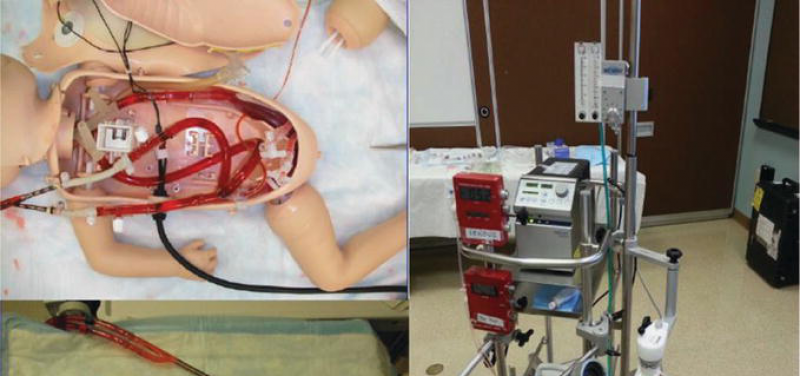
Our ECMO Core Team consists of approximately ten nurses (RNs) and respiratory therapists (RRTs) specially trained to manage the ECMO circuit. Additionally, there are more than 25 nurses and respiratory therapists trained as bedside ECMO specialists. All CHOP ECMO specialists have a minimum of two years of ICU experience and vigorous training requirements including annual recertification.
There will always be a nurse and an ECMO specialist at your child’s bedside. They will constantly monitor vital signs and comfort, perform care and maintain the ECMO circuit. An “in-house ECMO specialist” is available as a resource to staff 24/7. That person may be the program manager, a Core Team member or a perfusionist (for cardiac cases).
A team of doctors will make rounds (visit the bedside) every morning, assess the progress of your child, and share that information with you. Doctors will also check on your child throughout the day. ECMO patients at CHOP have around-the-clock access to an attending physician through the program’s “ECMO Resource MD” position. In addition, a wide range of specialists are on-call at all times.
What to expect when the child is on ECMO?
Your child will have one or more large plastic tubes, called cannulas, inserted into large blood vessels, most often in the neck. A surgeon places the tubes while your child is under anesthesia. These cannulas provide access directly into the heart and are needed for ECMO to work. Our team will request your consent before performing these operations. Every baby on ECMO receives blood products (we will ask you to sign a consent for this, too).
The blue cannula takes de-oxygenated blood, which has circulated through the body, out of the heart and into the ECMO machine, which adds oxygen to it.
Blood that has been oxygenated by the ECMO machine is pumped into the aorta through the red cannula. The aorta is the large blood vessel that normally carries oxygenated blood out of the heart to the rest of the body.
Even though ECMO does most of the work for the lungs, your child will remain on a breathing machine to deliver controlled amounts of pressure and oxygen to his lungs. The machine also allows the body to get rid of carbon dioxide, usually expelled when you exhale. The breathing tube inserted in the nose or mouth that connects the lungs to the breathing machine is called an endotracheal tube (ET tube).
Your child will also continue to need tubes and lines as she did before receiving ECMO. Most commonly, these include a nasogastric tube, which is placed in the nose and guided into the stomach to decompress and keep the stomach empty of acid; intravenous lines to provide fluids and medications; and a tube into your baby’s bladder to drain urine. Your child may also have a chest tube placed into the chest through the chest wall to drain air or fluid outside the lungs.
Your child will receive medication to treat any pain or discomfort while on ECMO. Pain medication is usually given as a continuous infusion into the ECMO circuit. Other medications frequently given during ECMO include diuretics to help your child urinate.
Swelling, also known as edema, is an expected side effect of ECMO. The medical staff caring for your child will monitor the condition closely.
While on ECMO, your child may undergo a variety of tests to monitor her condition, including:
- Blood gases (such as an arterial blood gas, or ABG) to monitor the oxygen and carbon dioxide levels in the blood.
- Complete blood count (CBC): This test monitors levels of red and white blood cells and platelets (cells in the blood that help to form blood clots) and tells us if we need to transfuse your baby with blood products.
- Basic metabolic panel (BMP): These tests monitor electrolytes (including calcium, potassium and other substances), which are needed in a certain balance for the body’s systems to run. These tests tell us which electrolytes we need to give your baby through the IV lines to keep them at normal levels. The BMP also helps us monitor kidney function, which is very important to your baby’s health.
- Tests to check your baby’s blood so we can adjust anticoagulant medications (“blood thinners” such as Heparin) during ECMO support and hemoglobin/hematocrit levels in the blood.
- Imaging tests done at bedside to monitor your baby’s progress, including X-rays to check the location of the cannulas and monitor inflation of the lungs; ultrasound of the head to monitor for complications related to bleeding; electroencephalogram (EEG) to monitor brain activity: and echocardiogram (an ultrasound of the heart) to assess how the heart is doing as we attempt to wean your baby from ECMO support.
Your child will be given sedation medications to keep her from moving around. This is necessary to keep the ECMO circuit in place and working correctly. The sedation medications will make your child sleep most of the time. Even though your child is sleeping, you can still talk to and carefully touch your child. Because it is important to let your baby rest while on ECMO, the ECMO specialist can guide you when it is safe for your baby to be stimulated.
Children, including infants, can hear and recognize the sound of their parents’ voices while sedated. Your child (and you) may find it comforting if you talk to him or hold her hand gently. Ask a child life specialist or other staff member for ideas on how to interact with your child.
The equipment being used to treat your child is quite delicate, so it is very important that you do not touch the cannulas, the machinery or the settings. For this reason, you won’t be able to hold your child while she is on ECMO. Keep a safe distance from the circuit, so you don’t accidentally bump into it. If you have questions about the equipment, please feel free to ask the ECMO specialist on duty who is caring for your child.
Your child will come off of ECMO when the heart and lungs have recovered enough to function without the ECMO circuit. This can take several days or several weeks, and it depends on your child’s specific diagnosis and course of treatment. As daily test results begin to show progress, the care team may slowly lower settings on the circuit to allow your child’s body to gradually function on its own, at which time the cannulas will be surgically removed.
After ECMO
Immediately following removal of the cannulas and ECMO circuit, your child will need to remain on a ventilator to maintain oxygenation. Nitric oxide is a gas given through the ventilator to relax blood vessels. Over time, the goal is to wean your child slowly from the ventilator and medications. A nurse will continue to closely monitor vital signs and signs of pain and perform ordered lab work. While each child is different, be prepared that your child’s recovery period from ECMO may be measured in weeks and months, rather than days.
Advise to Parents whose child is on ECMO
Having a child on ECMO can be emotional, even traumatic, for parents, guardians and family. You will likely find that the experience is filled with many ups and downs. The following is advice from other parents who have been in your shoes.
- First and foremost, take care of yourself. Eat, sleep and get outside every day. You will need to make decisions about your child’s medical care, which you can do only if you are rested and alert.
- Be an active participant in your child’s care. Most parents have no medical training and find it difficult to understand much of the medical terminology and information. Ask questions to help you understand what is happening and to help you make decisions. The Hospital staff will make every attempt to answer all your questions.
- Use Hospital resources. There are many resources available at CHOP, free of charge, that may make your time less stressful. These include: sleep rooms (when available), a reference library, laundry, computers with Internet access, emotional counseling and more. Ask your bedside nurse for information.
- Talk to a Hospital social worker, who can help ease your stress by talking about issues that concern you.

Cost of ECMO in the United States
n average ECMO procedure costs 73,122 USD and that an average ECMO patient had a total hospital cost of 210,142 USD – demonstrate that ECMO is a highly resource-demanding procedure. The major portion of the costs is related to treatment in the intensive care unit (ICU)
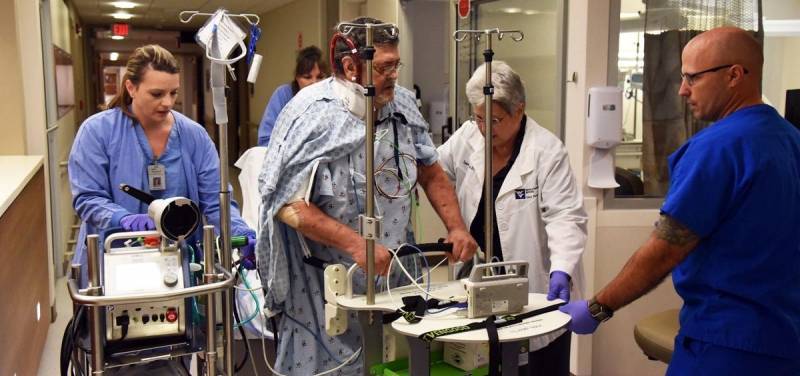
Outcome of inter-hospital transfer of patients on extracorporeal membrane oxygenation in Europe.
Abstract
AIMS OF THE STUDY:
An extracorporeal membrane oxygenation system (ECMO), as a bridge to either recovery, a ventricular assist device (VAD), or heart or lung transplantation, may be the only lifesaving option for critically ill patients suffering from refractory cardiac, respiratory or combined cardiopulmonary failure. As peripheral hospitals may not offer ECMO treatment, tertiary care centres provide specialised ECMO teams for on-site implantation and subsequent patient transfer on ECMO to the tertiary hospital. This study reports the results of the largest ECMO transportation programme in Switzerland and describes its feasibility and safety.
METHODS:
Patients transported on ECMO by our mobile ECMO team to our tertiary centre between 1 September 2009 and 31 December, 2016 underwent retrospective analysis. Implantation was performed by our specialised ECMO team (primary transport) or by the medical staff of the referring hospital (secondary transport) with subsequent transfer to our institution. Type of ECMO, transport data, patient baseline characteristics, operative variables and postoperative outcomes including complications and mortality were collected from medical records.
RESULTS:
Fifty-eight patients were included (three patients excluded: one repatriation, two with incomplete medical records). Thirty-five patients (60%) received veno-venous, 22 (38%) veno-arterial and one patient (2%) veno-venoarterial ECMO. Forty-nine (84%) patients underwent primary and nine (16%) secondary transport. Thirty-five (60%) patients were transferred by helicopter and 23 (40%) by ambulance, with median distances of 38.1 (13–225) km and 21 (3-71) km respectively. No clinical or technical complications occurred during transportation. During hospitalisation, three patients had ECMO-associated complications (two compartment syndrome of lower limb, one haemothorax after central ECMO upgrade). Median days on ECMO was 8 (<1–49) and median days in hospital was 17 (<1–122). ECMO weaning was successful in 41 patients (71%), on-transport survival was 100%, 40 patients survived to discharge (69%), and overall survival was 67% (39 patients) at a median follow-up of 58 days (<1–1441). Cumulative survival was significantly affected by cardiogenic shock vs. ARDS (p = 0.001), veno-arterial and veno-venoarterial vs. veno-venous ECMO (p = 0.001) and after secondary vs. primary transport (p <0.001). The ECMO weaning rate was significantly lower after secondary transfer (22%, two patients, both vaECMO) vs. primary transfer (80%, p = 0.002, 39 patients of which 35 (71%) had vvECMO).
CONCLUSIONS:
The first results of our ECMO transportation programme show its feasibility, safety and efficacy without on-site implant or on-transport complications or mortality. The favourable early survival may justify the large effort with respect to logistics, costs and manpower. With rising awareness, referring centres may increasingly consider this lifesaving option at an early stage, which may further improve outcomes.
About London
Location of London:
Latitude: 51.5Longitude: -0.1167
Details of Airport London Airport in London :
IATA: YXUICAO: YXU
Latitude: 43.035599
Longitude: -81.1539
Altitude: 912
Time (UTC): -5
DST: A
Timezone: America/Toronto
Country: United Kingdom
About Dubai
Location of Dubai:
Latitude: 25.23Longitude: 55.28
Details of Airport Al Maktoum International Airport in Dubai :
IATA: DWCICAO: DWC
Latitude: 24.896356
Longitude: 55.161389
Altitude: 114
Time (UTC): 4
DST: U
Timezone: Asia/Dubai
Country: United Arab Emirates
Featured Articles


Latest Articles


Contact Us
