Bangkok
Air Ambulance Medical Flights from Bangkok to Mumbai
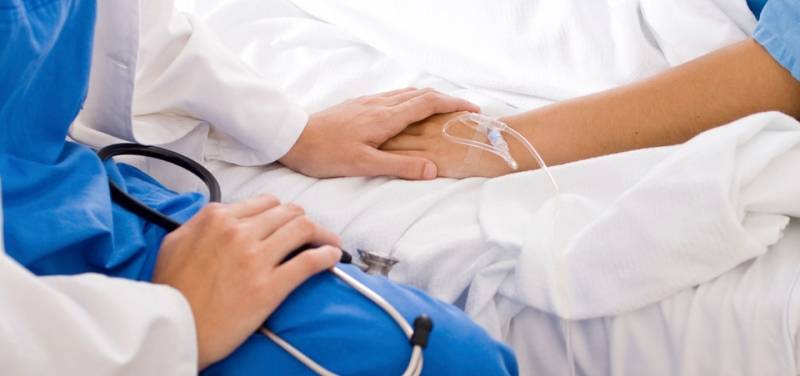
AIR AMBULANCE MEDEVAC FLIGHTS FROM Bangkok to Mumbai
AIR AMBULANCE MEDEVAC FLIGHTS FROM Bangkok to Mumbai
Air Ambulance Flights by Hi Flying
HI Flying - Air Ambulance International operates Air Ambulance Charter flights from major hubs in Singapore, India, Dubai and Philippines to all destinations in Mumbai.
HI Flying utilizes the below state of the art Medical Flights from Bangkok to Mumbai.
Jet
- Learjet 35
- Learjet 45
- Learjet 60
- Gulfstream 150
- Challenger 604
Turboprop
- King Air C 90
- King Air B 200
- Pilatus PC 12
An air medical evacuation/medevac/medivac is a method of transporting patients who are too ill to travel long distances by ground or air from Bangkok to Mumbai in a safe and efficient manner.
An air ambulance is a private jet that has been customized for a patient that requires advanced life supports or urgent medical assistance during transportation.
It is the safest and quickest travel option for patients who are too sick or weak to endure the rigors of a Commericial flights to travel from Bangkok to Mumbai.
Private jets and Air Ambulances can use ten times more airports than commercial airlines, allowing to operate into the closest airports to the treating and the receiving hospitals.
The aircraft is manned by a medical flight crew including a doctor and/or a nurse or paramedics and carries extensive medical equipment including respirators, medication, an ECG, CPR equipment and stretchers.
The Turboprop Aircraft can utilize small airfields to land and utilized for Domestic flights or flights to neighbouring countries in Bangkok and Mumbai.
We also fly to Kathmandu in Nepal and Paro in Bhutan.
We fly war zones in Afghanistan including USA Military bases.
We fly from Singapore to Malaysia, Indonesia, Myanmar, Nepal, Bangladesh, Philippines, China and Australia.
Long distance flights to the Middle East including UAE, Oman, Kuwait Bahrain, Saudi Arabia, Qatar and other GCC countries can be done with one fuel stops.
Flights to Europe or the United States can be undertaken with multiple fuel stops in a safe manner.
Medical Team with Air Ambulance Flights
The medical staff requirements are determined by the patient medical condition and consist of Nurses, Doctors, Paramedics, Respiratory Therapists or another specialist.
HI Flying - Air Ambulance International is able to take off from our bases to pick up your patient in as little as 2-6 hours.
Overfly permissions are obtained in a short duration due to our dedicated operation teams.
Specific information is required prior to the transfer of any patient internationally.
Family or companions traveling with the patient needs to give us the following information before the flight.
- Full Name
- Date of Birth
- Passport Number and Expiration Date
- Relationship to the patient
- Nationality
- Visa information, if applicable
- Pre-travel assessment form
- Hospital of origin
- Hospital of destination
Basic Life Support (BLS)
A BLS patient’s condition is stable and non-life threatening. It will require basic monitoring and administering of care throughout the transfer from Bangkok to Mumbai. The aircraft and our Aeromedical trained medical team are capable of handling any medical emergency throughout the entire transfer process of travel from Bangkok to Mumbai.
Advanced Life Support (ALS)
An ALS patient is critically ill and requires advanced medical care. Our team will maintain airways, operate more specialized monitoring like Ventilator and Monitors. The crew is selected to meet the special diagnosis of the patient and is trained to provide care for any unforeseen changes. These cases are typically due to trauma, cardiac issues, burn cases or other conditions.
We transport patients on IABP and ECMO devices internationally.
Babypod is used for transportation of small babies for higher care or to be operated for congenital heart disease.
Critical Care Support
Critical care patients are transported in an intensive care setting, onboard the aircraft with a specialized medical team. A critical care team will consist of a specially trained physician and a critical care nurse that are specifically selected to meet the needs of the patient. Many times there will be a Respiratory Therapist or additional specialty doctors like Anesthetists, Cardiologist, Neurologists, Nephrologist or Neonatologist.
The process of Transfer
HI Flying - Air Ambulance International has a professional and highly trained Medical Flight Coordinator who is usually a doctor or a nurse available to answer your questions 24 hours a day, 7 days a week from our base operation center. When you call our center, the Medical Flight Coordinator will provide a plan and will walk you through the entire process of moving your patient, including providing you with any cost-saving options that are available. Many times we have a connecting flight that we can offer that will save thousands of dollars on a single transfer. These are empty leg flights which are very common with our company because of the sheer volume of flying we do for our patients.
Medevac Call from Bangkok to Mumbai
- A Medical Flight Coordinator will request important information to provide you with a complete and thorough written plan.
- The Medical Flight Coordinator will respond to you with a written proposal that will be all-inclusive. No Hidden costs.
- A written “Authorization To Transfer detailing the entire transfer. This is sent to the party that is financially responsible for the transfer.
- Our medical coordinator will contact the proper medical personnel at the current facility to obtain a brief medical report.
- We take care of international overfly permissions and the handling as necessary.
- We take care of all customs and immigration requirements.
- We will provide medical bedside to bedside care.
- Ground transportation arrangements and coordination at the departure site and the arrival city with complete tarmac access.
- Complete communications with all parties during the entire transfer process.
- You tell us whom you would like to have updated during the transfer and we keep them informed.
Medical escorts who are visa ready for both Bangkok to Mumbai are available to fly 24/7/365 days.
To schedule an Air Ambulance Charter flight from Bangkok to Mumbai - Call us or email us at admin@hiflyingllc.com
We are always available to fly for you.
Our Process

About Bangkok
Location of Bangkok:
Latitude: 13.75Longitude: 100.5166
Details of Airport Don Mueang International Airport in Bangkok :
IATA: DMKICAO: DMK
Latitude: 13.91259956
Longitude: 100.6070023
Altitude: 9
Time (UTC): 7
DST: U
Timezone: Asia/Bangkok
Country: Thailand
Bangkok, Thailand’s capital, is a large city known for ornate shrines and vibrant street life. The boat-filled Chao Phraya River feeds its network of canals, flowing past the Rattanakosin royal district, home to opulent Grand Palace and its sacred Wat Phra Kaew Temple. Nearby is Wat Pho Temple with an enormous reclining Buddha and, on the opposite shore, Wat Arun Temple with its steep steps and Khmer-style spire.
Bangkok welcomes more visitors than any other city in the world and it doesn’t take long to realise why. Bangkok is a city of contrasts with action at every turn. Marvel at the gleaming temples, catch a tuk tuk along the bustling Chinatown or take a longtail boat through floating markets. Food is another Bangkok highlight, from local dishes served at humble street stalls to haute cuisine at romantic rooftop restaurants. Luxury malls compete with a sea of boutiques and markets, where you can treat yourself without overspending. Extravagant Luxury hotels and surprisingly cheap serviced apartments welcome you with the same famed Thai hospitality. And no visit to Bangkok would be complete without a glimpse of its famous nightlife. Be it nightclubs, cabarets or exotic red-light districts, Bangkok never ceases to amaze.
Bangkok for Families
Bangkok is a fascinating destination for families. There is nowhere else in Southeast Asia that offers the same combination of exciting street life, dedicated family attractions and Big City convenience. A visit to Bangkok will be one of memorable experiences and you will find a huge selection of things to see and do with you and your little ones. Young teens will find loads of cool things to do, and although it sounds surprising, even tiny tots are catered for due to the large amount of expat families who now call Bangkok home. This section lays out all that you might need to know when bringing your family to Bangkok, from the best hotels, to where to eat, what to do and even answers to important questions you might have before you arrive. Save your chilling out time for somewhere else. When you’re in the capital you need to be out and about experiencing all that Bangkok has to offer.
Is Bangkok Safe for Children?
Bangkok is as safe as any world metropolis. Crime directed at tourists is rare and is usually things like pick pocketing or being duped by unfair prices. Of course, due diligence is needed when out and about, but you will find many landmarks have police and security close by. One note to consider, not many hotel pools have lifeguards, although kiddie pools are common.
Do Children Need Vaccinations When Visiting Bangkok?
Vaccinations aren’t required, but you should consult your doctor and it should always be your choice. A lot of countries have compulsory vaccinations against many of the childhood diseases found in Thailand, such as Tetanus-diphtheria and Rubella.
What Should I Pack?
The vast majority of baby products can be found in Bangkok, including western brands. Items will generally be more expensive than you can find back home though. Children often have a favourite toy or brand of baby food and it would be a good idea to bring them along. If space is an issue, you should at least make sure you have several days’ supply of essential items, including: Diapers Clothes/swimsuit Non-allergenic sunscreen Baby food Milk powder Toiletries (toothbrush, toothpaste, mild body wash and shampoo, baby wipes, etc.) Favourite toy
Where Do I Go for Medical Help?
Medical care in Bangkok is world class. This is where you will find the best hospitals and clinics in Southeast Asia. A selection of the best hospitals with dedicated paediatric wards are listed here. You can always ask the concierge at your hotel for help, too.
Bumrungrad International Hospital Address: 33 Sukhumvit 3, Wattana, Bangkok 10110 Tel: +66 (2) 667 1000
Samitivej Sukhumvit Hospital Address: 133 Sukhumvit 49, Klongton Nua, Wattana Tel: +66 (0) 2711-8181
Bangkok International Hospital Address: 2 Soi Soonvijai 7 New Petchburi Road Bangkapi, Huay Khwang Bangkok 10310 Tel: +66 (2) 310 3000 or 1719
Are There Babysitting Services in Bangkok?
Most 5-star family hotels have professional child care services, with highly vetted and qualified staff. This would be our first choice for babysitting services in Bangkok. Hotels with kids clubs are especially favoured as they have staff on the premises who are accustomed to children from all over the world. If you are looking for a nanny to accompany you on your entire trip in Thailand, one highly regarded company is Thai Kids Home.
Can I Rent Baby Equipment in Bangkok?
If you stay in a family hotel, things like cribs and meal-time baby chairs will be covered. But if you are looking for strollers or car seats, Tiny Tots has a variety of baby products available for rent. They stipulate 48 advance notice for most items.
8 Things to do in Sukhumvit - The Heart of Bangkok
There are many things to do Sukhumvit, the commercial centre of Bangkok. Both sides of this long road are lined with international brand hotels, shopping malls, and trendy nightlife hotspots. Popular with Bangkok’s expat community and travellers to the city, Sukhumvit runs from the downtown area of Nana at one end to the suburban district of Bearing at the other. You’ll also find family-friendly centres, many of which are conveniently within shopping malls, so the little ones can have a lot of fun while you get to enjoy some retail therapy. If you want to get more of a feel of the creative or historical side of Bangkok, Sukhumvit has traditional houses and art galleries as well.
Terminal 21 Bangkok
Terminal 21 is a shopping mall in Asok, with a unique theme that recreates several world-famous cities under 1 roof. Find yourself wandering around a maze of shops in Tokyo City, sauntering down London’s Carnaby Street, bagging a bargain in an Istanbul zouk, or enjoying a wide range of cuisine at the Fisherman’s Wharf in San Francisco. The 9 floors at Terminal 21 Mall are all inspired by a different location, and the main hall is designed like an airport departures zone. This fun mall houses some 600 shops, a cinema, and a food court with all kinds of Thai and international fare
Octave Rooftop Bar & Lounge
Octave Rooftop Bar & Lounge is a 4-storey nightlife venue within Bangkok Marriott Hotel Sukhumvit. It stays open all day, but the best time to visit is towards the evenings when you can enjoy impressive sunset views of Bangkok. Head for the top floor to find the pièce de resistance: a 360-degree rooftop with a circular bar, where staff mix creative cocktails. Octave Rooftop Bar & Lounge is about 250 metres southeast of the Thong Lo Skytrain Station
Soi Cowboy
Soi Cowboy is a red-light district in Sukhumvit, close to the Asok BTS Skytrain Station. It’s named after the cowboy hat-wearing African-American who opened the first bar here in the early 1970s. This alleyway has a more laidback, carnival-like feel to it than Patpong or Nana Plaza. Expect lots of flashing neon lights along a colourful streetscape that’s usually packed with expats, Japanese and western tourists. A lot of sexily dressed girls (and ladyboys) will try to lure you into one of the 20 or so go-go bars that line its sides. It's a good idea to visit Soi Cowboy with an open mind – entry is often free and drink prices are fixed
Baan Kamthieng House Museum
Baan Kamthieng House Museum is a renovated teak house just beside Asoke, one of the busiest junctions on Sukhumvit. Even though it’s surrounded by towering hotels, condos and malls, the museum’s setting makes you feel like you’re in a northern Thai village rather than the middle of a bustling city. There are plenty of interesting displays that give you an insight into traditional rural life in Thailand. It’s worth a visit when you’re in the area, especially if you’re passionate about Thai history.
Benjasiri Park
Benjasiri Park is the place to be for sculpture lovers, as some of the best examples of Thai sculpture are scattered around the park. The centrepiece fountain, showcasing the work of master sculptor Mesium Yipinsoy, hosts multimedia water dance shows 3 times daily. The park offers outdoor sports facilities rarely found at other public parks in Bangkok, including a basketball court, roller skating/skateboarding rink, tennis court, outdoor swimming pool, and a multi-purpose court for sports. Benjasiri Park is located next to the Emporium shopping mall, about 100 metres northwest of the Phrom Phong BTS Skytrain Station.
Lazgam Bangkok
Lazgam Bangkok, located on the 5th floor of Holiday Inn Sukhumvit, offers a wide range of laser games that last around 15 minutes per session. The games centre is spread out across 2 floors within a maze of walls and partitions. There are several types of game to play but the most common are Teams, red vs blue, or Solo Play, which means every man for himself. Other game types available at Lazgam Bangkok include Alien Invasion, where 1 player starts as the alien and has to shoot people to turn them into aliens as well. Lazgam Bangkok is open to anyone aged 7 and over.
Flight Experience Bangkok
Flight Experience Bangkok is a simulation flight centre that’s popular among young children who dream of being pilots. The Boeing 737-800 flight simulator offers a fully immersive experience, which includes a check-in process, meeting your first officer and a pre-flight briefing before you can strap in with a 5-point seat harness and real aircraft headsets. The experience feels so realistic that the cockpit in Bangkok has even been used in local films and TV shows. Flight Experience Bangkok is located on the 2nd floor of Gateway Ekamai Shopping Mall.
Kidzoona
Both kids and adults will love Kidzoona at Molly Fantasy, located on the 5th floor of Gateway Ekamai Shopping Mall. Whether it’s too hot or too rainy to be outside in Bangkok, it’s an excellent place for younger children to let off some steam, with a soft play area, inflatable slides, an overly pink merry go round and trucks and trikes to speed around on. Tickets give you all-day access to the play area. Kidzoona is suitable for kids below 12 years old, but if you’re coming with teens, there are some arcade games at the entrance to Molly Fantasy that will keep them entertained for a while.
About Mumbai
Location of Mumbai:
Latitude: 19.017Longitude: 72.857
Details of Airport Chhatrapati Shivaji International Airport in Mumbai :
IATA: BOMICAO: BOM
Latitude: 19.08869934
Longitude: 72.86789703
Altitude: 39
Time (UTC): 6
DST: N
Timezone: Asia/Calcutta
Country: India
Mumbai (formerly called Bombay) is a densely populated city on India’s west coast. A financial center, it's India's largest city. On the Mumbai Harbour waterfront stands the iconic Gateway of India stone arch, built by the British Raj in 1924. Offshore, nearby Elephanta Island holds ancient cave temples dedicated to the Hindu god Shiva. The city's also famous as the heart of the Bollywood film industry.
Mumbai is a tertiary care center and receive patients from North East and South India for advanced Treatment to all major tertiary care centers.
Advanced Eye Hospital and Institute
Asian Heart Institute
B
B.D. Petit Parsee General Hospital
Bhabha Hospital
Bhaktivedanta Hospital
Bombay Hospital
Breach Candy Hospital
C
Cama Hospital
Cooper Hospital
Currae Hospital
G
Gokuldas Tejpal Hospital
H
Holy Family Hospital, Mumbai
Holy Spirit Hospital (Mumbai)
Hurkisondas Hospital
J
Jaslok Hospital
JJ Hospital
K
KEM Hospital
Kokilaben Dhirubhai Ambani Hospital
L
Lilavati Hospital and Research Centre
Lokmanya Tilak Municipal General Hospital
M
Masina Hospital
N
Nanavati hospital
P
P.D. Hinduja National Hospital and Medical Research Centre
Parsi Lying-in Hospital
Prince Aly Khan Hospital
R
Rajawadi Hospital
S
Saifee Hospital
St George Hospital, Mumbai
SevenHills Hospital
Shroff Eye Hospital
Shushrusha Citizens' Co-operative Hospital
T
Tata Memorial Centre
U
Umrao Hospitals
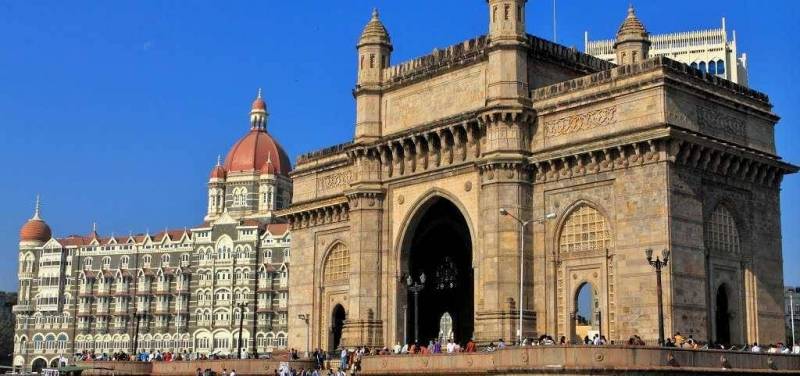
The Gateway of India is, without doubt, one of the most popular tourist hotspots of Mumbai. Sitting proudly on the Apollo Bunder, it overlooks the Arabian Sea. It is one of the defining monuments of the city of Mumbai and was built in the year 1924. The construction was undertaken by the famous architect George Wittet, to commemorate the visit of King George V and Queen Mary to Mumbai. The imposing structure of the monument is a beautiful confluence of Indian, Arabic and Western architecture and has become a popular tourist hub in the city. It is also the starting point of a number of ferry services that ply to the historic Elephanta Caves.
Nicknamed 'Mumbai's Taj Mahal', the foundation of this landmark was laid in 1911 and it was inaugurated 13 years later in 1924. The structure in itself is a made of yellow basalt and solid concrete and is embellished with numerous Muslim and Hindu motifs as well. The basalt arch of the Gateway served as the entry and exit access to India through waterways before independence and was the exit point from where the last British ship left India for England. There are statues of Swami Vivekananda and Chhatrapati Shivaji that have been installed near the Gateway as well. The view from the sea of the Gateway complex, especially at night is quite ethereal and beautiful. The Gateway of India is thus, not only a historic artefact but an example of marvellous architecture in itself!
History of Gateway of India
The land on which the Gateway now stands once belonged to a jetty that was primarily used by the fishing community of the area. Seeing its viability as a landing area, it was renovated to serve as a pier for British governors. Soon enough, it was decided that a grand gateway will be built here to welcome King George V and Queen Mary to Mumbai, and the foundation of the same was laid down March 31, 1913, by the Governor of Bombay, Sir George Sydenham Clarke. However, the final design of the Gateway was only sanctioned on March 31, 1914, by George Wittet. The constructions formally began in 1920 and it took almost four years to complete the construction of the monument.
Built in Indo Saracenic style, the Gateway of India was designed by Scottish architect George Wittet. The design is a combination of Hindu and Muslim architectural influences along with a Roman triumphal arch, which stands at a height of 26 metres. It is built of yellow basalt and concrete and the stone was sourced locally. The arch is flanked by two large hallways that have the capacity to accommodate as many as 600 people. On the other hand, the central dome of the gateway is inspired from Muslim architecture style and has a diameter of 48 feet with the apex reaching 83 feet. The gateway also has meticulously designed honeycomb structures which further support four spires that grant a unique symmetry to the facade. Steps behind the archway give an expansive view of the Arabian Sea as well.
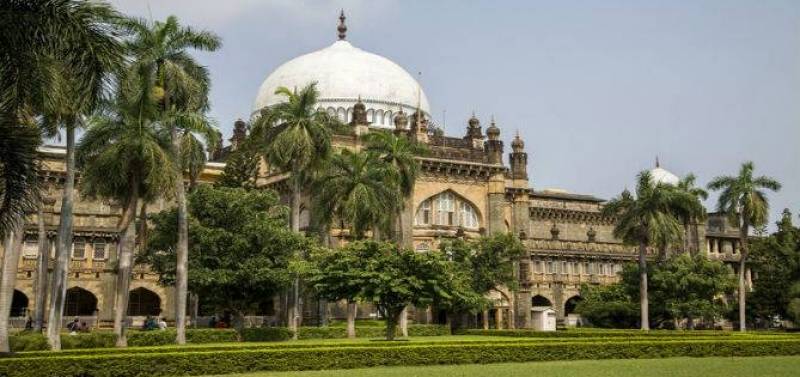
Prince of Wales museum, Mumbai Overview
The Prince of Wales Museum is a splendid structure situated in Mumbai and is regarded to be one of the heritage buildings of the city. The foundation stone of this edifice was laid down by the Prince of Wales on the 11 November 1905, and it was established as a museum on 10 January 1922. The facade of the museum is a sight to behold in itself and sits in the midst of an expansive green garden. Adorned with stunning stone and lattice work, the architecture of the Prince of Wales Museum is a blend of Indian, Mughal and British engineering styles. Inside, the museum holds almost 50,000 of some of the most exquisite artefacts relating to the rich and diverse history of India.
Now known as 'Chhatrapati Shivaji Maharaj Vastu Sangrahalay', The Prince of Wales Museum is a Grade I Heritage Building of the city and is counted amongst one of the most prominent museums of India. The complex exhibits a myriad collection of ancient artefacts, artwork and sculptors of the country which give a unique insight into our past. The building also underwent a major renovation after which several new galleries adorning the artworks of Hindu God Krishna, textiles and Indian traditional costumes were opened. Preserved in its best form, the Prince of Wales Museum is a wonderful manifestation of India's glory and rich past.
National gallery of Modern Art, Mumbai Overview
A paradise for art lovers, National Gallery of Modern Art (NGMA), Mumbai is a famous art museum possessing a magnificent collection of paintings, sculptures and artefacts since 1996. The multitude of artwork present in this charismatic gallery has drawn millions of visitors and left them awestruck. It is governed by the Department of Culture, Government of India and has over the period become a popular tourist attraction as it very convincingly depicts the modification of artwork in the field of visual and plastic arts. A blend of art and culture, this gallery houses the artworks of phenomenal sculptors, artists and painters including the legendary Pablo Picasso who is considered as the epitome of art and painting. The oldest artwork is known to be around 160 years old. The ancient artefacts such as statues and mummies from Egypt have also a played a crucial role in rousing the curiosity of the visitors.
The National Gallery of Modern Art also organises various art exhibitions which provide an intriguing platform to both the artists and the art lovers as the artists get a remarkable opportunity to showcase their talent while the art lovers can explore and quench their thirst for art. The gallery is located near Regal Cinemas in Colaba, South Mumbai. It showcases some of the oldest artworks, dating back to 1857 and is considered one of the best in India.
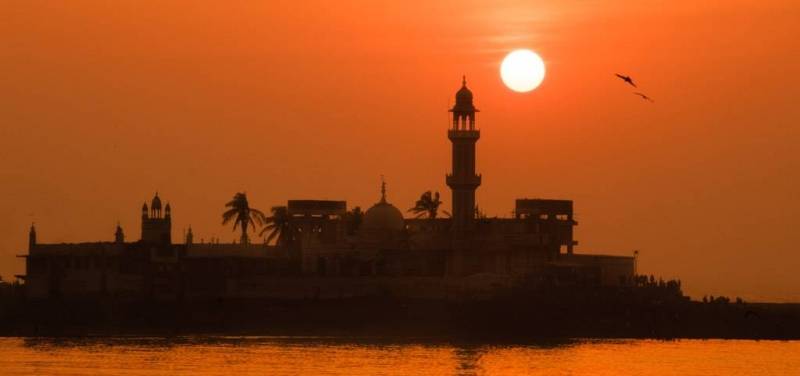
Haji Ali Dargah, Mumbai Overview
Situated on the backdrop of a beautiful view of the Arabian sea is the shrine of Haji Ali, dedicated to the wealthy merchant turned who gave up his worldly belongings and turned into Muslim Sufi saint after a trip to Mecca. Haji Ali Dargah is located on a small islet that is off the southern coast of Mumbai near Worli. People from all walks of life and religions come here to seek blessings. The Dargah can only be accessed during the low tides via a causeway that is surrounded by the sea on all sides. At night, the view of the shrine lit up in the distance with nothing but the sea around it, is a divine sight.
Built of glass, the tomb is a beautiful illustration of the Indo-Islamic style of architecture. A marble courtyard contains the central shrine. The tomb within the mosque is roofed by a brocaded red and green cloth, supported by an exquisite silver frame and marble columns. The main hall has marble pillars engraved with creative mirror work: blue, green, yellow chips of glass arranged in varied designs and Arabic patterns which spell the ninety-nine names of Allah. As per Islamic customs, there are different praying rooms for ladies and gents.
Haji Ali belonged to Bukhara, which lies in present-day Uzbekistan. This shrine has a mystical story attached to it. According to legends, Sayyed Peer Haji Ali Bukhari once came across a poor woman crying on the road and holding an empty vessel. Upon inquiring about the matter, she told him that she had spilled the oil she was supposed to be carrying home and was now afraid that her husband will punish her. He then accompanied her to the spot where she had spilled the oil and prodded the ground and oil came gushing out. The woman was delighted and went home happily. Later, recurrent dreams indicating that he had injured the Earth haunted him and his health began to deteriorate. He then decided to travel to India and decided to stay here so as to spread the word of Allah and Islam.
From that point of time till the end of his life, Haji Ali dedicated his life spreading the wisdom of Allah and devotees would regularly visit him. Before he died, he instructed his followers that they shouldn't bury him immediately, rather they should drop his shroud in the ocean and bury him where it is found. In accordance with his wishes, the Haji Ali Dargah was built in the year 1431. According to another belief, Haji Ali donated all his wealth for a journey to Mecca and died in between. Miraculously, the casket carrying his body floated back to Arabian shores and got stuck in the twine of rocky islets just off the shores of Worli.
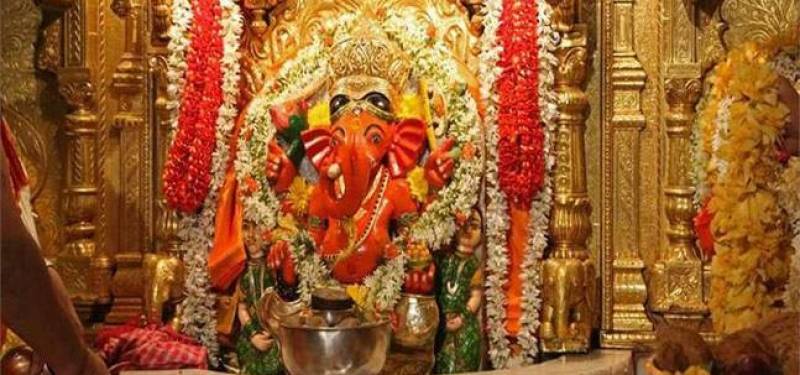
The Siddhivinayak Temple in the Prabhadevi area is a revered shrine dedicated to Lord Ganesha and is one of the most significant and frequented temples in Mumbai. This temple was built in the year 1801 by Laxman Vithu and Deubai Patil. The couple did not have any children of their own and decided to build the Siddhivinayak temple so as to fulfil the wishes of other infertile women. Interestingly, the statue of Lord Ganesha here is believed to be self-manifested and grants wishes.
The Temple has a small sanctum housing the idol of Shri Ganesha, which is about two and a half feet wide and made out of a single piece of black stone. The temple has attained a popular status not only because it is believed that the Ganesha in the temple is especially revered, but also because of its popularity with Film stars and the bigwigs of the industry. It is also the richest temple in Mumbai as it begets INR 100 Million in donations each year from devotees across the world.
The story behind the construction of the Siddhivinayak temple is that of faith and belief in the Lord. The building was funded by rich Agri woman named Deubai Patil, who did not have any children of her own. She decided upon building a temple dedicated to Lord Ganesha so that he may fulfil the wishes of other childless couples and bless them with children. The construction of the Siddhivinayak temple was completed on 19 November 1801, with the original structure being a square edifice adorned with a dome - shaped spire. Ramakrishna Jambhekar Maharaj who a disciple of the Hindu saint Akkalkot Swami Samarth, buried two idols in front of the present idol upon the instructions of the Swami. As was prophesied by Swami Samarth, a Mandar tree sprouted from the buried idols with the image of Svayambhu Ganesha in its branches after a period of 21 years.
The imposing structure of Shree Siddhivinayak temple comprises of a primary 'Kalash' which towers to a height of 12 feet, three reaching up to 5 feet and 33 others which stand at a height of 3.5 feet. Thus, 37 gilded domes embellish the main temple complex. The old part of the Siddhivinayak temple has a hall, the main sanctum, a verandah and a water tank as well. The new complex of the temple was built as a part of renovations so as to enhance the magnificence of this shrine. The architect Ar. Shri. Sharad Athale of SK Athale & Associates made a study of the temples in Rajasthan and Tamil Nadu before finalising the design of the temple. After making the necessary arrangements, the construction of the Siddhivinayak temple commenced in the year 1990. The old idol was kept intact whilst a multi angular six - storey structure was built over the gold plated domes. Three main entrances leading up to the interior were constructed and the crown of the temple was redesigned as well. After meticulous work that was spread over a timeframe of three years, the construction gave way to the Siddhivinayak temple as we know it today.
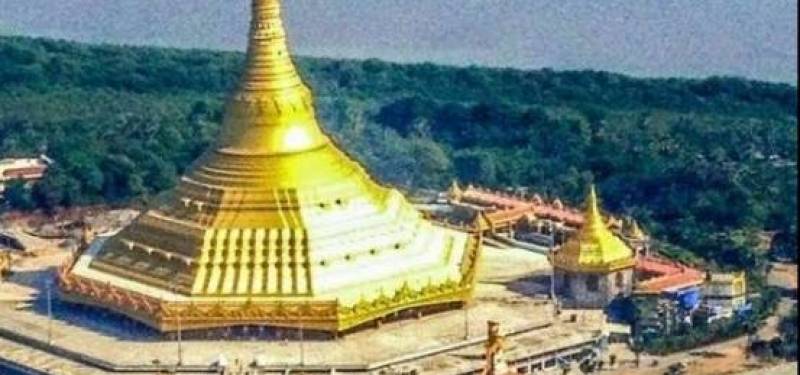
Global Vipassana Pagoda, Mumbai Overview
It is tough to imagine that one of the quietest and most peaceful spaces can exist right in the middle of the busy suburbs of Gorai in Mumbai. The Global Vipassana Pagoda is a meditation hall shaped like a dome with a capacity to seat of 8,000 devotees and Vipassana practitioners. Along with admiring the serenely mesmerizing Pagoda located on a peninsula between Gorai creek and the Arabian Sea. Another interesting facet of the monument is that it has been completely through donations. Visitors can take a short 10-minute Aanapana Meditation session to experience how invaluable the technique of meditation is and then decide if they want to enrol for a long term course. No matter what the verdict is, a trip to the Global Pagoda will be worthwhile.
The Global Vipassana Pagoda was built as a token of gratitude towards a Vipassana teacher and Accountant General of Independent Burma, Sayagyi U Ba Khin, who was instrumental in bringing Vipassana back to its country of origin after it ceased to exist in India. Many visitors frequent the Global Pagoda during the stressful and painful phases of their lives and manage to achieve total harmony in the chaotic times of today. It is also considered to one of the seven wonders of the state of Maharashtra.
The Global Pagoda's planning began in 1997, but the actual construction started only in 2000. The idea of constructing a Global Pagoda was proposed by Shree S.N.Goenka, to spread the true teachings of Lord Buddha. Over the years, religious dogmas prevailed, and the correct path of Dhamma was forgotten. These lessons had to be instilled again in the minds of people who were blinded by the religious dogmas and the introduction to an improved way of life was required to increase tolerance and maintain peace and harmony in the world.
Acharya Goenkaji firmly believed that the Pagoda would serve as a helpful vehicle to spread the true meaning of Dhamma and inculcate the age-old technique of Vipassana that ceased to exist nearly two million years ago. For the exemplary work put in by Acharya Goenkaji, he was awarded the title of Padma Bhushan in the year 2012 on the occasion of Republic Day. A little over a year later, on 6th June 2013, the Global Pagoda was included in the list of the Seven Wonders of Maharashtra for its development, architecture and purpose.
The Global Vipassana Pagoda has been constructed on 13 acres of land and is an illustration of the traditional Buddhist architecture with traditional Burmese designs. The Burmese designs have been included in the structure as a sign of respect and gratitude towards Myanmar for preserving the practice of Vipassana Meditation. The dome-shaped pagoda is a combination of ancient and modern Indian technology, and its shape is a replica of the Shwedagon Pagoda (Golden Pagoda), Myanmar, which makes the structure strong enough to stay put for at least a thousand years.
The entire structure is covered in gold coloured paint, and the spire or the shikhara of the pagoda is covered in real gold that was donated by the Burmese. The spire is topped with a decorative piece that resembles an umbrella. The humongous inner dome enables 8000 people to practice Vipassana meditation together at one time. The entrance doors are made of wood that has been hand-carved intricately in Myanmar.
The foundation of the structure is made of Basalt rocks, and the dome is made from sandstone that was brought from Rajasthan. Each sandstone block weighs around 600 to 700 kilograms and is secured in place with the help of bricks designed to interlock. These uniquely designed bricks and lime mortar hold the sandstone in place and help the structure stand for several years. The large pillar-less dome, in the centre, has a height of 29 meters. The entire structure of the pagoda is 96.12 meters tall. The interior of the pagoda is hollow and serves the purpose of a huge meditation hall; which covers an area of 6000 square metres. The top of the pagoda is completed with a large crystal.
Beginner Course: The beginner course is a 10-day course during which they have to follow the course rules and regulations that include adhering to the timetable, not harming any living being, no sexual misconduct, no lies and no consumption of intoxicants. The students practice ten hours of meditation every day (includes regular breaks). The first three days are to develop concentration through Aanapana and the next seven days are for complete Vipassana Practice. On the last day, the Metta Bhavana technique of meditation is taught and practised. These courses are bilingual and can be attended by participants who do not understand regional languages.
10-day Executive Course: These courses are introductory courses planned especially for Business Executives, Entrepreneurs and Government Officials
Old Students Short-term Course: The participants who have completed at least one 10-day program are considered as old students. They can enrol for a 3-day short course each year to stay updated with the technique.
Advanced Courses: This includes the same timetable as that for the beginner courses, however, the duration and the intensity of meditation is a little more advanced. Participants can choose between 20, 30, 45 and 60 days of course periods.
Featured Articles


Latest Articles


Contact Us
